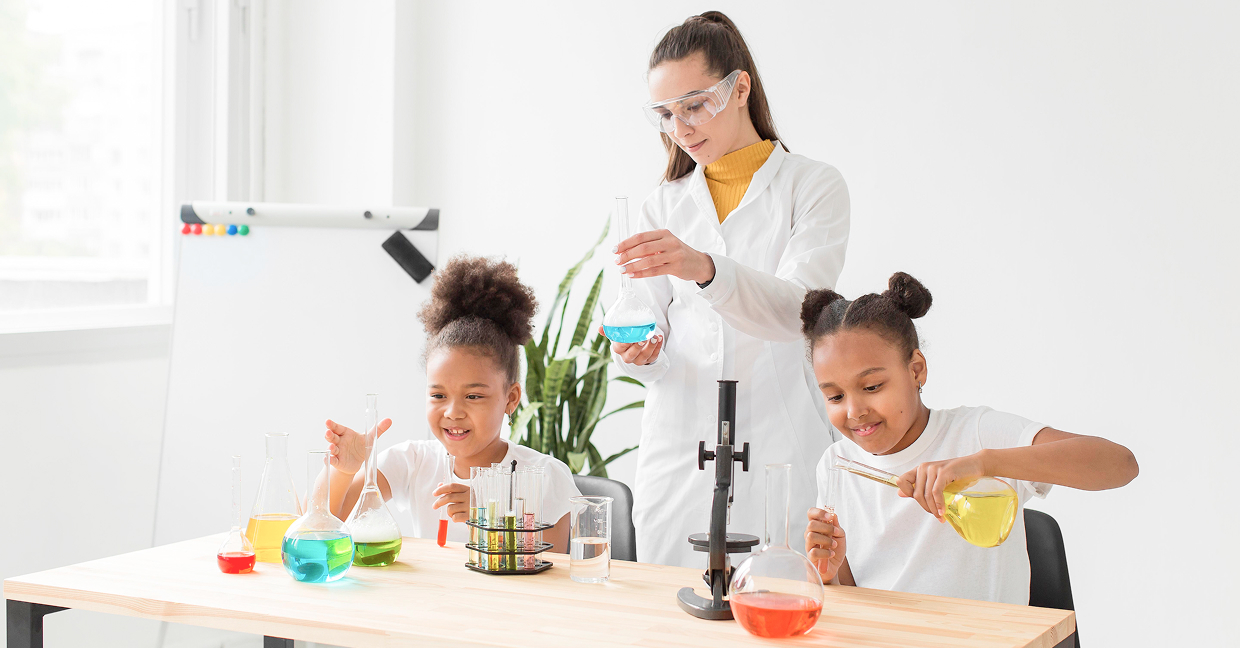

Creativity is not just an innate talent but a skill that can be nurtured and developed. One of the most effective ways to foster creativity in children is through hands-on projects that encourage exploration and experimentation. Here’s how we incorporate these projects into our curriculum to spark innovation and creative thinking among our students.
We design projects that combine elements from different subjects, such as art, science, and technology. For example, students might build models to demonstrate scientific principles or create artworks that incorporate mathematical concepts. These interdisciplinary projects encourage students to think outside the box and apply knowledge in new and unexpected ways.
Students are presented with real-world problems that require creative solutions. This method challenges them to use critical thinking and resourcefulness to find answers. Whether designing a simple machine to solve an everyday problem or developing a business plan for a school fundraiser, problem-based learning stimulates creative thought processes.
Creativity flourishes in a collaborative environment. We encourage students to work in teams on various projects. This not only helps them learn to express their ideas but also exposes them to diverse perspectives and ideas, which can spark their own creativity.
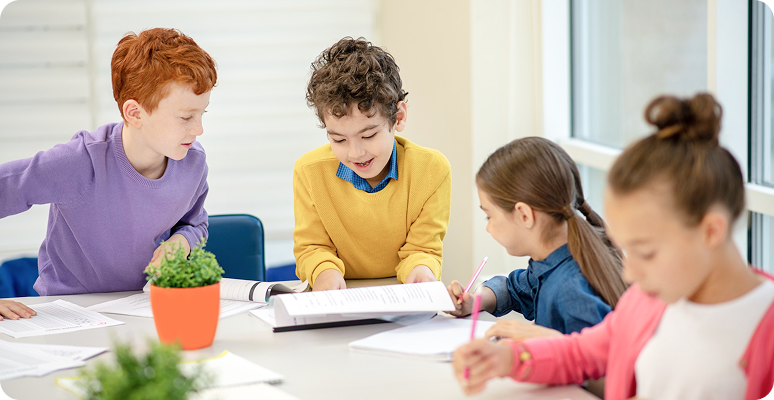
We provide students with choices in how they complete assignments or projects. This autonomy allows them to explore their interests and strengths, which can lead to more creative and personalized project outcomes. For instance, in a book report project, students might choose to create a video, a comic strip, or a traditional written report.
After completing projects, students reflect on their learning and consider what they might do differently next time. They also receive constructive feedback from both peers and teachers. This process is crucial for understanding the creative process and for recognizing that creativity can always be refined and improved.
We regularly showcase student projects through exhibitions, presentations, and school websites. Displaying their work not only builds confidence but also inspires other students and celebrates the creative efforts of all participants.
Hands-on projects are a cornerstone of our teaching philosophy. By engaging students in active and practical learning experiences, we aim to cultivate a generation of thinkers, innovators, and creators who are prepared to face the challenges of the future with confidence and creativity.