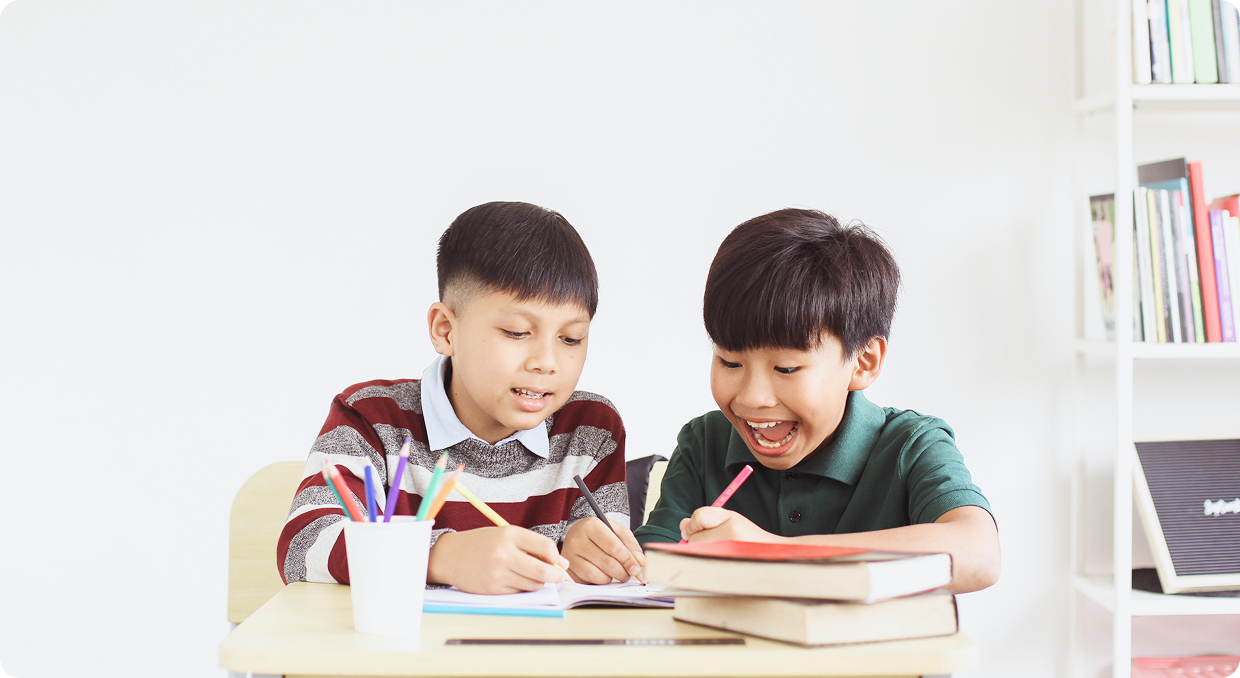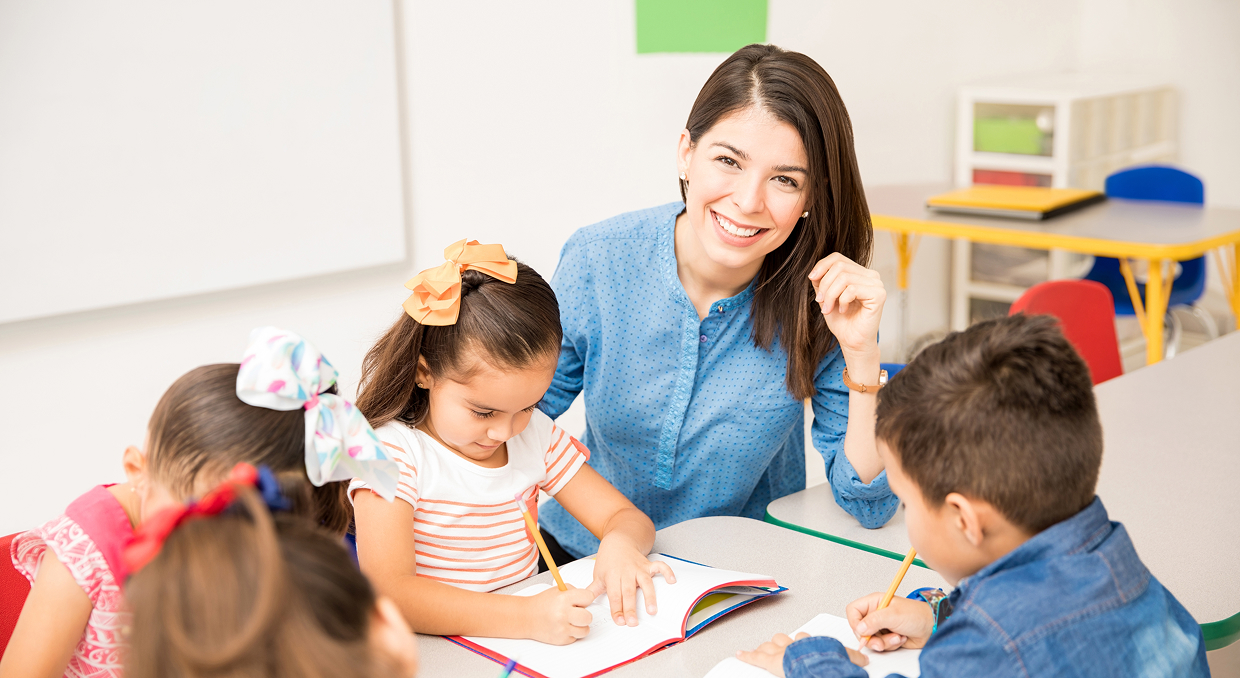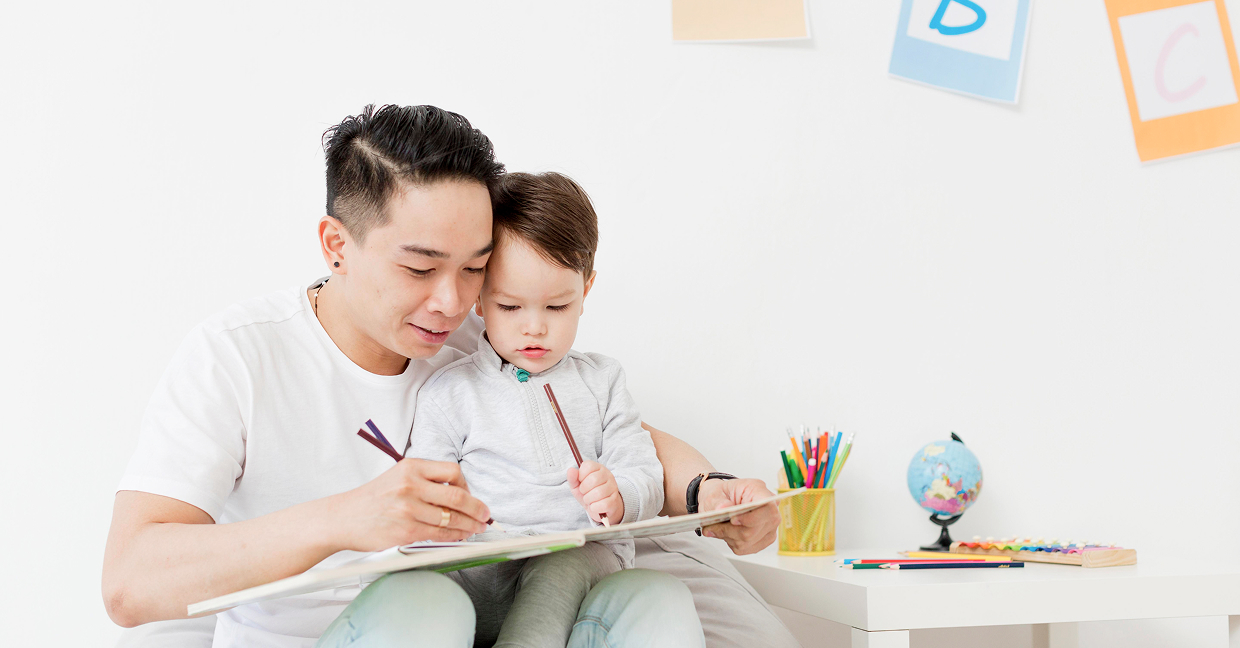

The role of parents in the educational journey of their children is pivotal. At BrightHills Elementary, we believe that a collaborative approach between school and home can significantly enhance a child’s learning experience. Here are some practical tips and strategies for parents to become more involved in their children's education and thereby foster a conducive learning environment at home.
Consistency is key in helping children feel secure and manage their time effectively. Establish a daily routine that includes specific times for homework, reading, and educational activities. This helps children understand the importance of structure and prioritizes their educational tasks.
Set up a designated study area that is quiet, well-lit, and free from distractions. Having a specific place for studying can help your child focus better and be more organized. Ensure that this space is equipped with all the necessary supplies, such as paper, pencils, and access to a computer if needed.
Stay in regular communication with your child’s teachers. Attend parent-teacher meetings, subscribe to class newsletters, and follow class social media pages if available. Understanding the curriculum and the teachers’ expectations can help you better support your child’s learning at home.
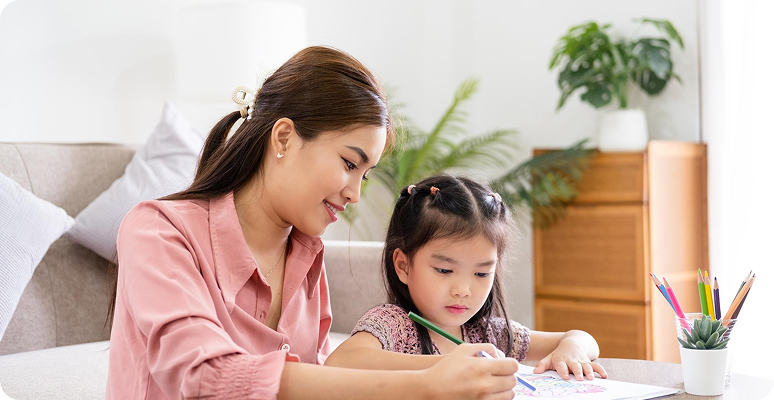
Take an active interest in what your child is learning. Discuss their projects, read together, and assist with homework when necessary. Ask questions that go beyond "How was your day?" to questions like "What did you learn in math today?" or "Can you tell me about your science experiment?"
Whenever possible, volunteer at your child’s school. This could be in the form of helping in the classroom, attending field trips, or participating in school boards. Being present in the school environment shows your child that you value their education and helps you understand their educational context more deeply.
Support your child in exploring interests outside the standard curriculum. Whether it’s sports, music, art, or coding, extracurricular activities can significantly enhance cognitive and social skills, while also keeping learning enjoyable.
Demonstrate a positive attitude towards education and learning. Let your child see you engaged in learning activities, whether it’s reading, writing, or other forms of educational enrichment. Children often emulate their parents' behaviors and attitudes.
We value and encourage active parent involvement as we believe it plays a crucial role in the holistic development of students. By implementing these strategies, parents can significantly contribute to their child's success in school and beyond.