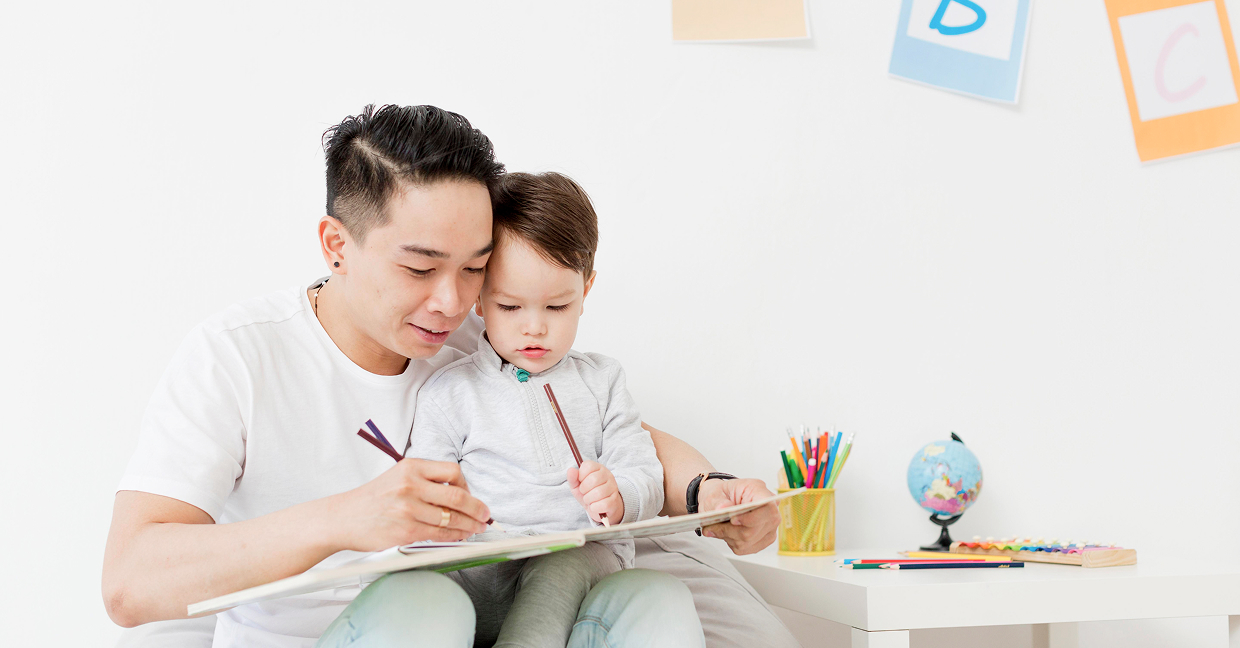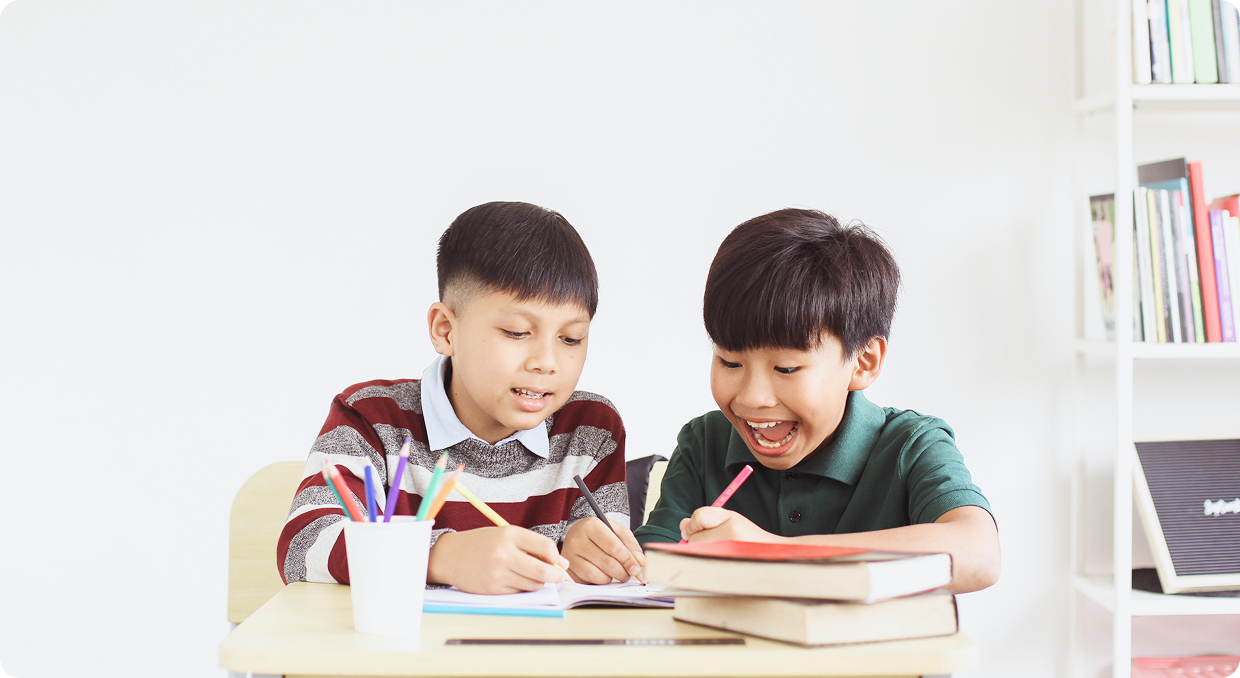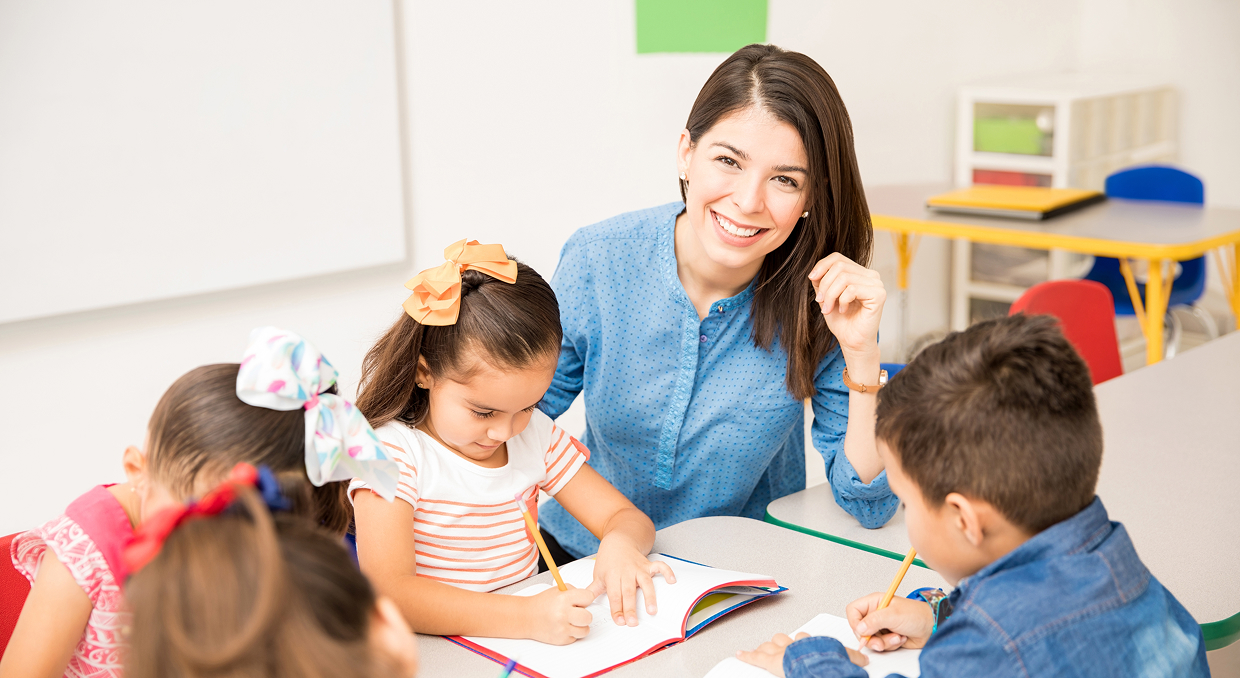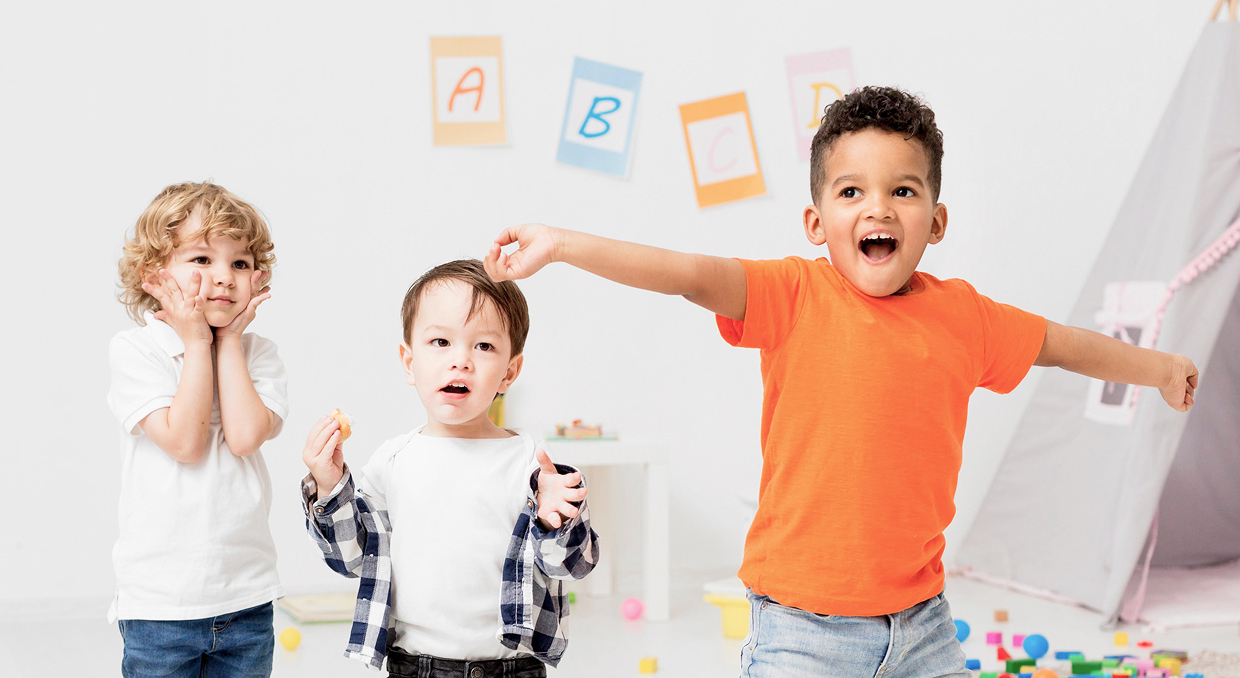

Each child is unique, not just in personality but also in how they learn best. Understanding and accommodating different learning styles is essential to provide an educational experience that fosters growth and success for every student. Here’s how we approach the diverse learning styles of children in our school.
Visual learners understand and retain information better when it is presented to them visually. For these students, we incorporate charts, diagrams, videos, and other graphical content into our lessons. Visual aids not only help them grasp complex concepts but also make learning more engaging for them.
Those who learn best through listening benefit from lectures, discussions, and reading aloud. To support auditory learners, our teachers emphasize spoken instructions and use group discussions or debates to reinforce learning. We also make use of songs, rhymes, and storytelling to enhance their learning process.
Kinesthetic learners prefer to learn through movement and doing. Hands-on activities, experiments, and role-playing games are integral parts of our curriculum to cater to these learners. We encourage kinesthetic learners to build models, conduct physical experiments, or use movement-based learning strategies to help them understand and remember information.
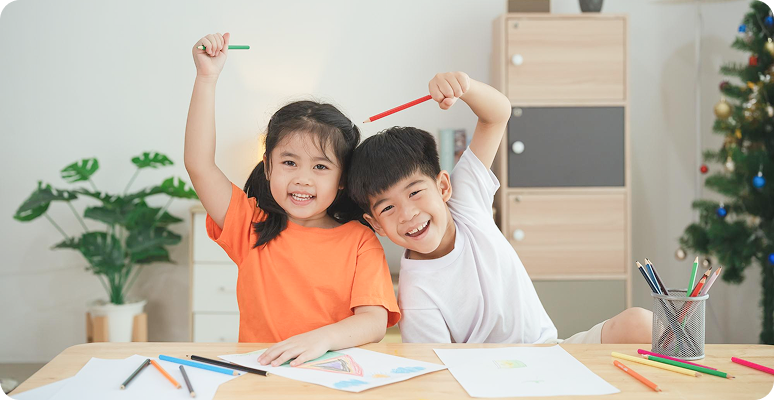
Students who excel when material is presented in written form often do well with traditional teaching methods, which involve reading and writing tasks. However, to further enhance their learning, we encourage them to keep detailed notebooks, write summaries of what they've learned, and create written responses to questions and prompts.
Children who learn best in groups or with others thrive on social interaction. We support these learners by using group projects and peer-learning opportunities where they can interact and learn from their classmates. Collaborative learning helps them develop not only academic skills but also interpersonal skills.
For students who prefer to work alone and use self-study, we provide opportunities for independent study and self-reflection activities. We also offer personalized learning plans that allow them to explore subjects at their own pace and in their own way.
We incorporate a blend of teaching methods that cater to all these learning styles in our daily curriculum. Teachers are trained to recognize and adapt to the varying needs of their students, ensuring that each child receives the attention and resources they need to succeed.
Understanding the different learning styles is crucial for tailoring educational experiences that maximize student engagement and achievement. By accommodating each child’s preferred learning method, we not only enhance their educational outcomes but also help them build confidence and a lifelong love for learning.